

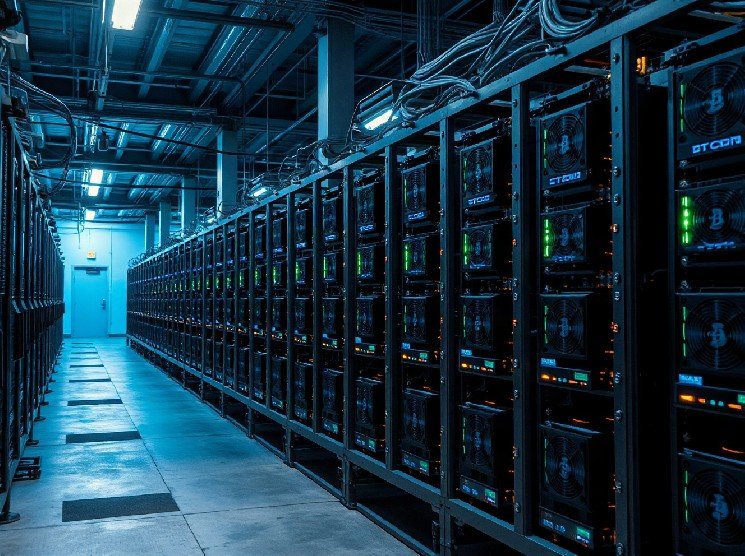
Bitcoin mining firm Sphere 3D (NASDAQ: ANY) is confronting a potential $2.2 million tariff bill after U.S. authorities determined that mining machines purchased through a subsidiary in 2022 were manufactured in China, according to a report by CryptoSlate. The company has stated it plans to challenge the finding, asserting that it received documentation at the time of purchase certifying the equipment was not of Chinese origin.
Background and Financial Context
The tariff issue stems from Section 301 tariffs, which impose duties on certain Chinese-made goods. The machines in question were acquired in 2022, a period when many U.S. miners were rapidly expanding their fleets. Sphere 3D’s case highlights the complexities and potential liabilities that can arise from global supply chains in the cryptocurrency mining sector.
As of the end of the second quarter, Sphere 3D held approximately $2.8 million in cash. The potential tariff payment represents a significant portion of its cash reserves, which could strain its operations. The company has also been grappling with recurring losses and worsening cash flow, raising concerns about its ability to continue as a going concern without additional funding.
Rebranding and Strategic Shift
In a separate development, Sphere 3D is in the process of changing its name to DarkHorse Technologies and its ticker symbol to DRK. This rebranding appears to be part of a broader strategic pivot, though details remain limited. The move may signal a shift in focus away from Bitcoin mining, but the company has not yet disclosed specific plans.
Implications for the Bitcoin Mining Industry
This case underscores the regulatory and financial risks that Bitcoin miners face when sourcing equipment internationally. Tariffs on Chinese-made mining hardware can significantly increase operational costs, especially for smaller players with limited cash buffers. The outcome of Sphere 3D’s challenge could set a precedent for how similar cases are handled, potentially affecting other mining firms that imported equipment during the same period.
For investors and industry observers, the situation highlights the importance of thorough due diligence when acquiring mining hardware and the need to account for potential trade policy changes. It also raises questions about the long-term viability of companies that are heavily leveraged or have thin margins in a volatile market.
Conclusion
Sphere 3D’s $2.2 million tariff bill, coupled with its liquidity challenges and rebranding efforts, places the company at a critical juncture. The outcome of its challenge to the tariff determination will be closely watched, as it could have broader implications for the cryptocurrency mining industry. As the company navigates these hurdles, its ability to secure additional funding and execute its strategic shift will be key to its survival.
FAQs
Q1: What are Section 301 tariffs?
Section 301 tariffs are duties imposed by the U.S. on certain imported goods, particularly from China, to address unfair trade practices. They can affect products like electronics and machinery, including Bitcoin mining equipment.
Q2: Why is Sphere 3D challenging the tariff determination?
Sphere 3D claims it received documentation at the time of purchase certifying that the mining machines were not made in China. The company is contesting the finding, which could result in a $2.2 million tariff bill.
Q3: What does the rebranding to DarkHorse Technologies mean?
The name change to DarkHorse Technologies and ticker change to DRK suggest a strategic pivot, though the company has not detailed its new direction. It may indicate a move away from Bitcoin mining or a broader technology focus.
Related Reading
- America’s Self-Inflicted Trade Wound: Tariffs on Steel and Aluminum Take Effect
- Canada’s Retaliatory Tariffs on US Goods Rattle Bond Markets
- Gold Hits Record High as Tariff Conflict Fuels Safe-Haven Demand: Commerzbank
- Chinese oil demand peak shifts global market balance, Commerzbank says
- Canadian Dollar: Tariff Risks Cloud Outlook – Commerzbank